
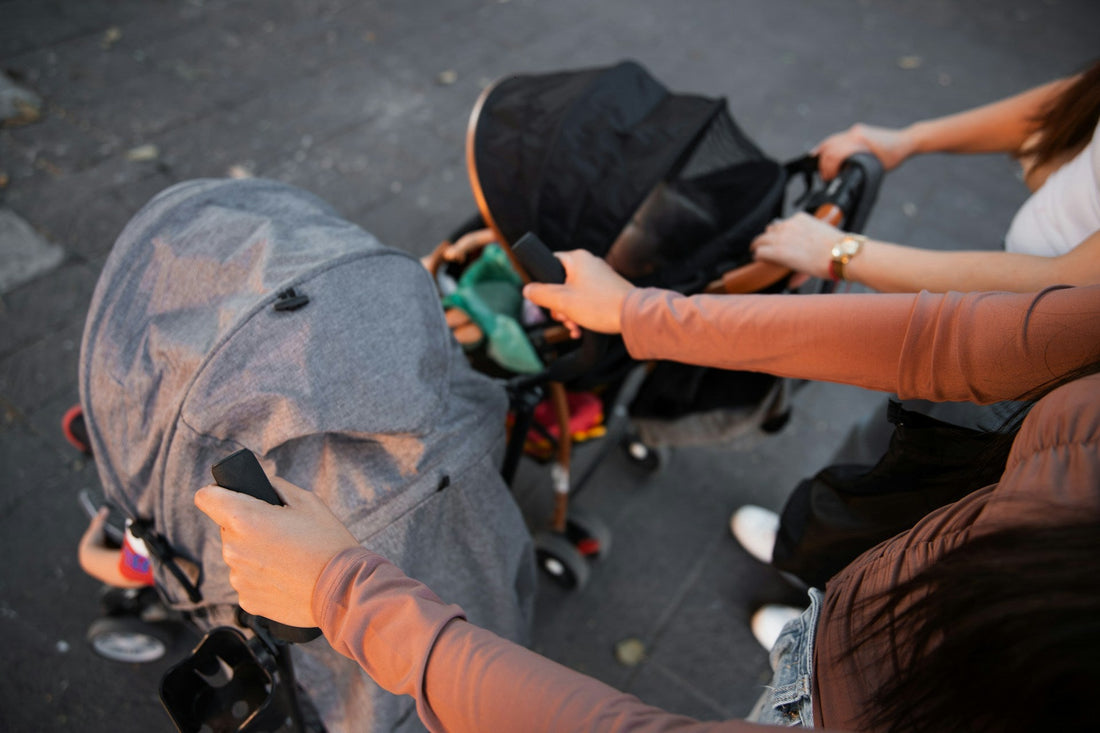
Toddler Stroller Posture Audit for Happier Rides
Good stroller posture is not about looking perfect; it is about keeping toddlers comfortable, safer, and less cranky on the go. When young children sit slumped, twisted, or always craning forward, this can contribute to sore necks, poor comfort, and resistance to remaining in the pram.
This guide outlines a simple at-home stroller posture audit that can be completed in about ten minutes. It reviews seat recline, footrest height, harness position, and the placement of toys or screens. Once the basic fit is correct, every accessory tends to work better and feel more comfortable for children.
Quick Posture Adjustments Before Adding Pram Accessories
Many parents notice their toddler slouching in the stroller during long walks, school runs, or travel days. A floppy head, curled spine, or dangling legs can make even short outings feel more challenging.
Posture in the pram matters for several reasons:
- Growing spines and hips benefit from steady, even support
- A comfortable, supported body usually means fewer wriggles and meltdowns
- Better head and neck position may reduce strain when children look at books or screens
- Good alignment can help set up healthier sitting habits over time
A new stroller is not required every time a child grows. A brief posture audit at home can reveal small changes that make a meaningful difference. Once the basic fit is right, any add-ons, including neutral, non-distracting holders for items such as books or devices, are more likely to support healthy habits instead of working against them.
Set Up Your Stroller Fit Check Safely at Home
It is helpful to complete this check before busy periods, such as road trips, school holidays, or days out when the stroller is used more often. In many parts of Australia, that can also mean layering clothing, so outerwear and bulk should be included in the check.
Prepare the following:
- The usual stroller or pram
- Typical outdoor clothing for the toddler, including coat and shoes
- Any current add-ons, such as liners, snack trays, or a neutral holder for books or devices
Park the stroller on flat ground, engage the brakes, and sit the child in with the harness fastened as usual. Take a quick photo from the front and side. These photos become "before" shots to help identify small but important changes as adjustments are made.
Check Seat Recline for Spine Support and Calm Rides
Seat recline is often where the biggest improvements appear. Aim for a middle position, not fully upright and not nearly lying down. From the side, think about the child's nose sitting roughly in line with, or just behind, the hips.
When the seat is too upright, children tend to:
- Hunch forward
- Push their head forward to see toys, surroundings, or screens
- Tense across the shoulders
When the seat is too far back, they might:
- Slide forward into a slouch
- Drop the chin toward the chest
- Breathe more shallowly and seem restless
A simple test can help. Buckle the child in, then step to the side and look at three things: where the head rests, how the back curves, and whether they stay in place after a few minutes or slowly slide down. If something looks off, adjust the recline one notch at a time. Try removing or adding a thin liner if needed, then take another side photo for comparison.
Dial in Footrest Height and Leg Support
Leg support is easy to overlook but has a significant impact. When legs hang with nowhere to rest, the weight of the feet can pull the pelvis forward. That can lead to bottom shuffling, kicking the footrest, and constant fidgeting.
Ideally, aim for:
- Knees bent at around 90 degrees
- Feet resting on the footrest, not dangling
- No deep pressure lines behind the knees or along the calves
Sit the child back in the seat and see if both feet can rest flat or nearly flat on the footrest without stretching or going on tiptoes. Gently rock the stroller a small amount and observe whether the legs stay supported or swing freely. If there is an adjustable footrest, raise or lower it to match a relaxed position.
If the footrest is fixed, consider brand-approved accessories that improve leg support, or place something soft, such as a rolled blanket, under the calves during supervised use at home. When choosing any future stroller or accessory, give extra consideration to options that allow better leg and foot support.
Adjust Harness Height and Straps for Safer Alignment
Next, review the straps. For a forward-facing toddler, the shoulder straps should come from at or just above shoulder level. They should not angle sharply down from above or pull up from below the shoulders.
Use this quick shoulder check:
- Sit the child all the way back in the seat
- Identify where the straps exit the seat
- Check whether that point aligns with the tops of the shoulders
Straps that are too low or too loose may allow slumping, twisting to the side, or leaning out. Gradual tightening is helpful. Buckle the harness, then tighten a little at a time. Use the "pinch test" on the shoulder strap and stop when it is no longer possible to pinch a fold of webbing. Ensure the buckle sits low across the pelvis, not on the abdomen. Then, provide a toy or book and observe whether posture remains supported.
Position Screens, Toys, and Accessories Thoughtfully
Once seat, leg support, and straps are working together, consider where toys, snack trays, and any screens are placed. Their location can have a significant effect on posture. When everything is low and off to one side, children may twist, tuck the chin, and look down for long periods.
Aim for:
- Toys and any screens to be higher and more centred
- A viewing angle where the child's ears stay roughly over the shoulders
- Hands-free setups, so devices are not gripped in the lap
A stable holder for a device can help by keeping the screen steady at a more neutral eye level and viewing distance. As part of the audit, do a brief screen angle check: when the child looks at the screen, does the chin stay away from the chest, and is the head aligned over the body rather than pushed forward? In addition to ergonomics, parents may wish to follow recognised guidelines on limiting screen time and ensuring regular breaks.
When posture looks better, rides often feel calmer, especially on longer walks or travel days when screens or books are used more frequently.
Maintain a Good Fit and Plan the Next Outing
By this stage, seat recline, leg support, harness height, and the placement of toys or screens should all be adjusted. Compare the before and after photos and notice changes in head position, back shape, and leg angle. These details add up to a stroller setup that works with the child's body, rather than against it.
Children grow quickly, and clothing layers change with the seasons, so it is helpful to repeat this mini audit every few months or before major winter or summer outings. Once the stroller fit feels appropriate, it becomes easier to choose any additional accessories that support good posture and healthy viewing habits. On the next walk or trip to the park, observe how the child's body looks in the stroller and how their mood holds up. Small improvements in comfort can make everyday outings smoother for everyone.
Find The Best Pram Accessories For Stress-Free Outings
Explore our curated range to find the best pram accessory to suit your routine, from coffee runs to long walks in the park. At Stroller Mate, we focus on practical, stylish solutions that make getting out with your little one easier and more enjoyable. If you are unsure which option is right for you, simply contact us and we will help you choose what fits your family best.


