
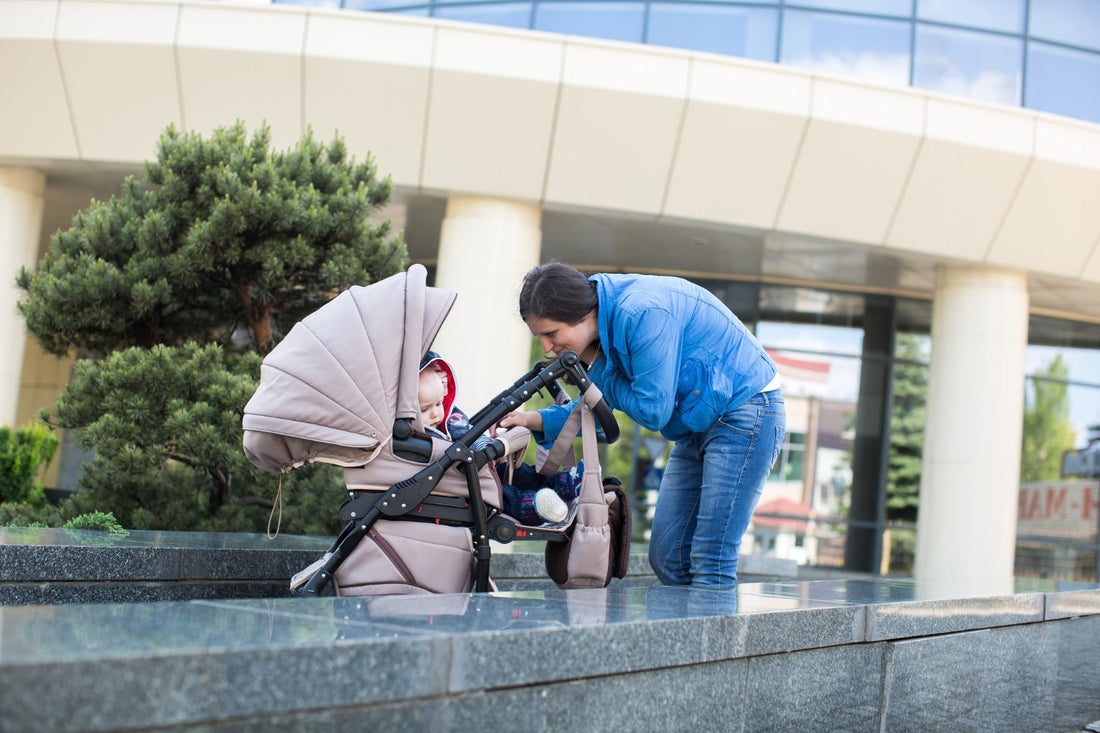
Hospital waits can feel very long when you have a toddler with you. Whether you are heading to an outpatient appointment, pathology visit or specialist clinic, it helps to expect the unexpected, especially during the busy spring and early-summer weeks before the December and January school holidays.
We do not think a screen will fix every tricky moment. Still, a few familiar activities, snacks where permitted and a calm viewing option can help you fill a longer-than-expected wait. Preparing at home means you can focus on your child once you arrive.
Before leaving, charge your phone and download a few things for patchy reception. Pick content that can stop quickly when your family is called in. A phone mount for a pram can be one part of a waiting-room plan for children aged two and over, alongside books, quiet toys and comfort items.
Pack a Quiet Kit for the Waiting Room
A small, well-packed nappy bag can make the carpark, reception desk and waiting room feel more manageable. We suggest choosing familiar items rather than filling the bag with lots of new distractions. Toddlers often settle faster with things they already know.
Your quiet kit might include:
- A water bottle, spare nappy and wipes
- A comfort toy and one or two board books
- A simple sticker activity or chunky crayons and paper
- Child-safe headphones, if your child already likes wearing them
- A familiar snack, only if the clinic says food is allowed
Always read the appointment letter before packing snacks. Some appointments involve fasting, and different clinics can have different rules around food and drinks in their waiting areas.
Downloaded content is handy because hospital Wi-Fi and mobile reception can be unreliable. At home, we recommend saving two or three short, familiar ABC Kids songs or episodes from ABC iview Kids instead of lining up endless new videos. A short favourite is easier to pause than a big film, and it is less likely to leave your toddler upset when it is time to put the phone away.
Pack for the transitions as well as the wait itself. A tiny distraction for the walk from the carpark, a book for the reception queue and a comfort item for the trip home can all help, particularly after a blood test or tiring appointment.
Check Clinic Rules Before You Press Play
Waiting rooms are shared spaces, and plenty of families are there on difficult days. Some people may be unwell, caring for a baby, waiting for a call from a clinician or dealing with stressful news. Keeping sound off is usually the kindest choice. If your child accepts headphones, keep the volume low and make sure they are comfortable before relying on them.
It is also important to protect everyone’s privacy. We recommend keeping the phone screen facing your child, not the room, and never taking photos, filming or recording in a clinic or hospital waiting area. Other patients, staff members and private information should never end up in the background.
The appointment always comes first. Pause whatever your child is watching when their name is called, while a nurse gives instructions and whenever staff need their attention. Follow signs and staff directions about food, drinks, toys and infection-control steps.
For broader guidance on healthy screen use, Raising Children Network and the Australian 24-Hour Movement Guidelines offer helpful advice for families with young children. Viewing can be one calm option in your bag of tricks, but it works best when it stays flexible and fits around your child’s needs that day.
Set up a Phone Mount for a Pram Safely
When using a phone mount for a pram in a hospital setting, we recommend setting it up before entering a busy waiting room where possible. Park the pram securely, put the brakes on and check that nothing blocks a walkway needed by staff, wheelchairs or other families.
Our Stroller Mate® Traveller clamps onto a pram footrest or side bar, rather than the handlebar. The clamp has a maximum opening of 7 cm and a depth of 2 cm. Its steel-reinforced gooseneck bends to the angle you need and extends up to 80 cm.
Safe positioning matters just as much as attaching the mount. It is recommended for children aged two and older who can sit upright. With your child sitting back in the pram, keep the phone around 20 to 30 cm away, make sure it is firmly secured and keep it out of reach where you can.
Before heading inside, do a quick check:
- Brakes are on whenever the pram is parked
- The phone is secure and not likely to slip
- The pram can still move freely if you need to leave quickly
- You can reach your child easily without the mount getting in the way
Do not use a tablet with the mount. If the phone or mount blocks access to your child, interferes with the pram’s movement or makes the space feel crowded, remove it or reposition it. Kidsafe Australia also provides useful general guidance on pram and child safety.
Choose Short, Familiar Viewing Breaks
Short, familiar content is often the easiest choice in a waiting room. A favourite ABC Kids song, a brief downloaded episode or a family photo album gives your child something known and comforting without starting a long stretch of viewing.
We find it helps to alternate screen time with other quiet moments. You might begin with a board book, use a short video during the hardest part of the wait, then switch to a cuddle, a permitted snack or a simple game such as naming colours around the room. This gives your toddler breaks from the screen and helps you respond to their mood rather than sticking to a set plan.
Spring weather can also add another layer to hospital visits. Bright sun and hot carparks are common, even when the clinic itself is cool. Bring water for the walk, plan for shade where you can and allow extra time to settle your child before checking in. If you are waiting outdoors, follow Cancer Council SunSmart guidance and do not rely on the pram canopy alone for sun protection.
Leave Home with a Plan B Ready
A successful hospital visit does not mean keeping your toddler entertained every second. It means having a few calm options ready, staying flexible if the appointment runs late and giving staff your child’s attention when it matters most.
Before you head out, check for a charged phone, downloaded content, a quiet activity, water, appointment paperwork and working pram brakes. Most importantly, bring a backup plan for the days when your toddler rejects the screen completely. A cuddle, comfort toy or slow walk outside may be exactly what they need instead.
Make Waiting Time Easier To Manage
Our phone mount for a pram helps position familiar viewing where your child can see it comfortably while sitting back. Stroller Mate® Traveller clamps to the footrest or side bar, leaving the handlebar clear. Designed and tested in Sydney by two dads, it suits children aged two and over who can sit upright.


