
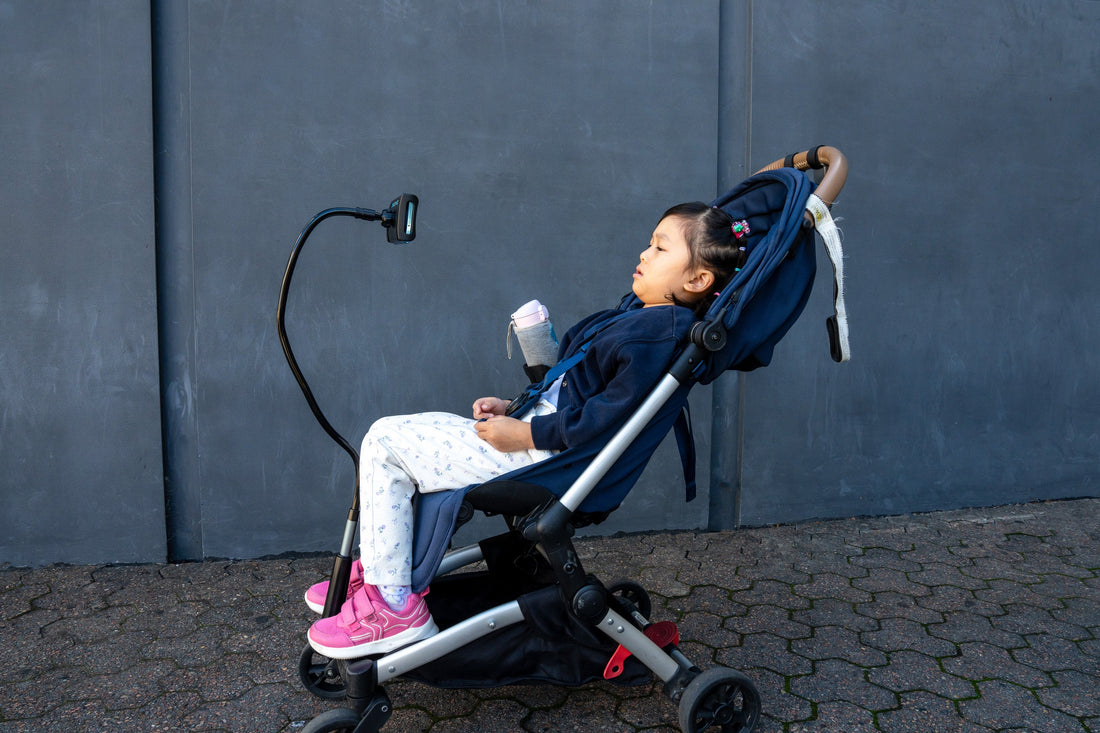
Smarter Stroller Screen Time for Happier Family Outings
Stroller screen time can feel like magic. You are in the shops, on a long footpath, or stuck in an airport line, and a quick show on your phone suddenly keeps your toddler calm and quiet. For many of us, screens are simply part of everyday life, including when our kids are in the pram.
But small, easy-to-miss mistakes during stroller screen time can affect posture, eye comfort, attention, and even safety. The good news is that we do not have to ditch screens completely. With a few simple tweaks to how and when we use them, we can turn that quick distraction into something more intentional and safer for our kids. As late-summer and early-autumn outings ramp up around parks, festivals, and travel, it is the perfect moment to rethink our stroller screen habits.
The Hidden Risks of “Anything to Keep Them Quiet”
When we are tired, rushed, or dealing with public meltdowns, it is so tempting to hand over the phone the second we see a cranky face. Over time that can become the automatic answer for every bit of whining or boredom in the stroller.
That “anything to keep them quiet” mindset brings a few sneaky downsides:
- Screens become the default comfort instead of one tool among many
- Kids start to expect a show every time they sit in the stroller
- Parents feel stuck, like outings cannot work without a device
Physically, long stretches of pram screen-time can mean:
- Slumped backs as kids curl around a lap-held phone
- Bent necks from staring straight down
- Very close viewing distance that can strain little eyes
There is also an emotional piece. If every tiny wait is filled with a video, kids get fewer chances to:
- Look around and notice what is happening
- Chat with us about what they see
- Practise patience and small bits of boredom
None of this means you are a “bad parent” for using screens. It just means that making screen time a choice instead of a reflex can protect both their bodies and their growing attention spans.
Why Screen Position Matters More Than You Think
Most stroller screen time is not planned around posture. The phone gets balanced on a tummy, clutched in two little hands, or wedged in the corner of the pram. It works in the moment, but the angles are often not kind to small bodies.
When a child cranes their neck down to watch a phone, they are putting extra load on the neck and upper back. If they twist sideways to see a screen in the pram pocket, the body can sit in a half-twisted position for the whole walk. Over time, that can feel uncomfortable and build unhelpful habits.
Some simple ergonomic ideas for safer stroller screen time are:
- Keep the screen around eye level or slightly below
- Set a comfortable viewing distance so it is not right under their nose
- Make sure the device is stable, not wobbling with every bump
- Reduce glare from bright Aussie sun where you can
A dedicated, ergonomic stroller phone holder is helpful here. It keeps the phone:
- At a more natural height for their neck
- At a fixed distance so they are not leaning right in
- Secure, so there is less dropping, grabbing, and sudden head movements
Hands-free watching also means their body can relax back into the stroller, instead of hunching over the device.
Traps in Time Limits, Content Choices, and "Zombie Mode"
Another easy mistake is losing track of time. A “quick episode” in the pram can quietly roll into three or four, especially on a long walk or slow trip through a busy shopping centre.
To make screen time more predictable, we can try:
- Destination-based limits, like “just until we reach the park gate”
- Playlist limits, such as a short music or story playlist that ends on its own
- A simple timer alert on our own phone
What plays on the screen matters too. Endless scrolling or auto-play can push kids into passive “zoning out”, where they barely blink. For short stroller sessions, lighter, more mindful options often work better:
- Short, age-appropriate episodes
- Music videos watched mostly for the sound
- Audiobooks or story podcasts
- Simple, calm content instead of loud, fast jumps
“Zombie mode” is when kids are so absorbed they stop noticing anything around them. In a quiet lounge room, this might not be a big deal. But in busy public spaces, it can be unsafe. If a child is in deep zombie mode, it is harder to get their attention at:
- Road crossings
- Carparks
- Train platforms
- Crowded footpaths
So the goal is not zero focus, but a gentle level where they can still hear us and respond when we speak.
Safety First: Screens Should Never Compete with the Road
Stroller screens are not just a distraction for kids. They can also tempt adults. If the phone is loose in the stroller, we might sneak glances at messages or try to change episodes while walking.
To keep safety front and centre, it helps to:
- Avoid adjusting content while crossing roads or carparks
- Keep the device properly secured, not balanced on the edge of the seat
- Double check straps and buckles are fitted correctly, even if the child is glued to a show
Real-life places where this really matters include:
- Crowded markets and festivals
- Footy games and big sporting events
- Airports and train stations
- Busy city footpaths
All it takes is one moment of split attention between traffic, crowds, and a loose phone. A safer setup, with the device fixed in position and within easy reach for adults, makes it easier to keep eyes where they matter most.
Turning Stroller Screentime Into a Positive Daily Habit
So how do we keep the benefits of stroller screen time without the hidden downsides? A few simple habit shifts can make a big difference.
First, decide when screens are in and out. For example:
-
Allowed: long commutes, flights, medical waiting rooms, long walks to public transport
- Usually a no-go: quick walks around the block, playground trips, short school runs
Next, think of outings as a mix of screen and non-screen time. A simple routine might look like:
- Start with a chat (“I spy”), or spotting dogs, birds and buses
- Then allow a short, planned screen segment
- Finish with music or talking about what they watched
This rhythm keeps screens as one part of the outing, not the main event. It also makes it easier to say, “We are done with the video now, time for songs.”
An ergonomic, hands-free holder helps stroller screen time feel more “on purpose”. When the phone has a set place, we are more likely to:
- Stick to time limits
- Keep a healthier distance and angle
- Use our own hands for steering, holding little hands or carrying bags
Here at Stroller Mate, we care about making Aussie family outings calmer and safer. By watching out for those invisible mistakes, poor posture, too-close viewing, endless time, distracted adults, and screens for every tiny fuss, we can reset stroller screen time into something that works better for everyone.
Support Calmer Outings With Screen Time That Works For You
Finding a stroller setup that keeps your little one content without compromising your values around stroller screen time can make everyday outings smoother for everyone. At Stroller Mate, we design practical solutions to help you use screens as a tool, not a crutch, so you can focus on walking, talking and connecting.


