
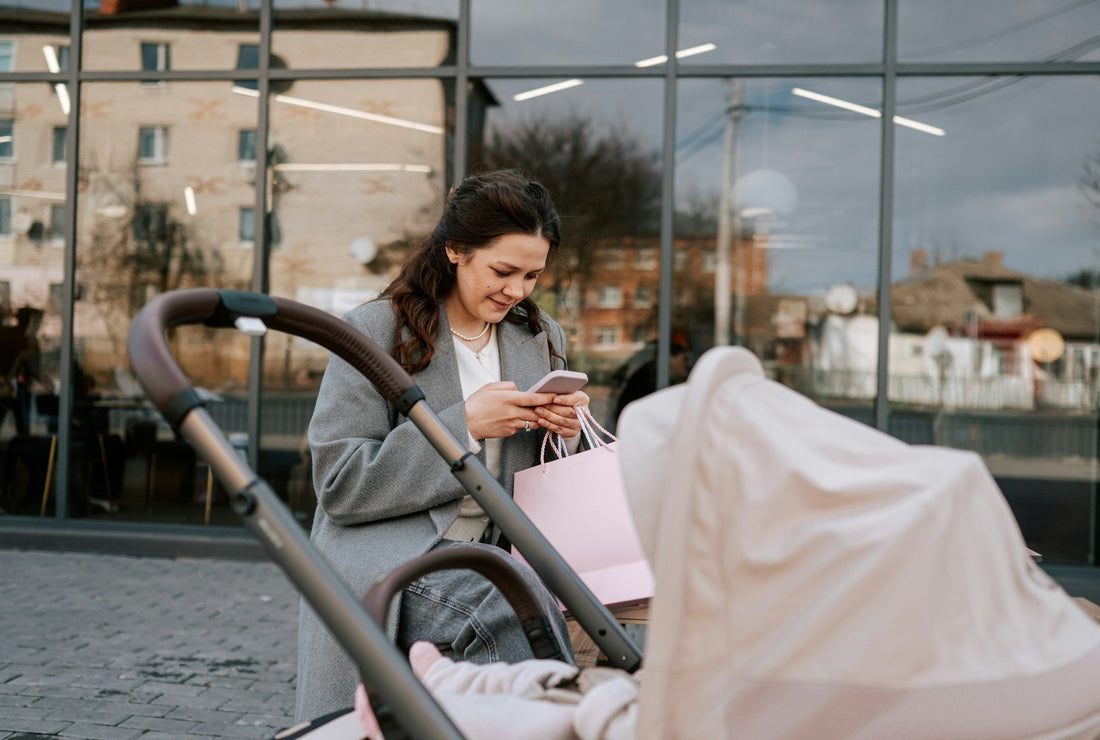
Set up a Safer, Happier Ride for Your Toddler
A stroller phone holder can make pram time calmer for everyone, especially on those cool May afternoons when you are squeezing in a walk, a school run or a quick shop. A short show or a favourite song can be the difference between a peaceful roll and a full meltdown in the checkout line. How that phone holder is set up matters a lot for your child’s comfort and safety, not just for convenience.
The right position can support little necks and backs, reduce eye strain and stop the phone from becoming a flying object on bumpy paths. The wrong setup can lead to craned necks, squinting and constant fidgeting. In this guide, we will walk through eye-level placement, viewing distance and simple posture checks, with tips for babies, toddlers and preschoolers.
As an Australian-owned store focused on ergonomic stroller phone holders, we spend a lot of time thinking about how kids actually sit, watch and move in the pram. Our goal is to help you create a safer, happier ride, especially through those longer autumn and early winter outings.
Why Ergonomic Screen Setups Matter in the Pram
When a phone is stuck anywhere on the stroller and forgotten, kids usually twist their bodies to match the screen, not the other way around. Over time that can show up as:
- Chin dropped to the chest to look down
- Head tipped back to look up at a screen mounted too high
- Slouching or sliding forward in the seat
- Squinting or turning away from glare
Young eyes and spines are still growing. Repeating awkward angles, even in short bursts, can add up to discomfort, grumpiness and unhelpful habits like leaning forward for every bit of screen time.
There is also a simple safety side. A loose phone can slip, bounce out and become a hard little projectile if you hit a crack in the footpath. A secure, stable mount keeps the screen steady so your child is not grabbing or chasing it.
Screens can have a place in a healthy stroller routine, especially if you mix them with:
- Short, age-appropriate shows or songs
- Chatting about what you see on your autumn walk
- Counting dogs, birds or cars
- Singing along to music together
The idea is to use the screen as one tool, while keeping comfort and connection in mind.
Eye-Level Phone Placement by Age Group
Eye-level does not look the same for every age. It changes quickly as your child grows and as their pram setup shifts with blankets and winter layers.
Babies (6, 12 months)
For babies who are just starting to engage with screens in small amounts:
- Keep the seat more reclined so their head is supported
- Position the holder slightly lower, roughly in line with where their eyes naturally rest when they gaze forward
- Avoid placing the phone above their face so they need to look straight up
- Skip bright, flashing content and keep volume gentle
Toddlers (1, 3 years)
Toddlers sit more upright and love to reach.
- Aim for the centre of the screen to be roughly at eye height when they are sitting in their natural, relaxed posture
- Check the setup when they wear beanies or hoods, which can make them tuck their chin or lean differently
- If you see them tipping their head down or up to see, adjust the tilt rather than asking them to change how they sit
Preschoolers (3, 5 years)
Preschoolers grow quickly and sit taller in the stroller seat.
- Raise the phone holder so the screen sits at or just below eye level
- Re-check placement at the start of each season, because little bodies change fast
- Encourage them to sit back against the stroller seat instead of leaning towards the screen
A handy trick is to stand side-on to the pram and look at your child. If their eyes look straight ahead at the middle of the screen without lifting or dropping their chin, you are close to an ergonomic spot. It is worth doing this quick side check before any longer outing.
Ideal Viewing Distance for Little Eyes
Distance is just as important as height. A simple rule is to keep the phone about the length of your child’s forearm away, which is usually around 30 to 45 centimetres for young kids.
Try this:
- Buckle your child in so they are sitting how they normally would.
- Ask them to stretch their arm towards where the phone will be.
- Position the holder so the screen sits just beyond their fingertips.
This distance makes it easier for their eyes to focus without strain. When afternoons get darker earlier in May and winter, pupils open more to take in light, which can make bright screens feel harsh. To help:
- Turn the screen brightness down in dim light
- Avoid pointing the screen straight into bright sun to reduce glare
- Use a matte or anti-glare screen protector if you have one
Try to avoid these common mistakes:
- Dangling the phone so close that it sits right in front of their nose
- Letting kids hold the phone in the pram, which often leads to awkward angles and sudden drops
- Mounting the screen so far away that they lean or stretch forward to see
If you notice your child constantly leaning closer, gently move the holder a little towards them instead of letting that habit set in.
Quick Posture and Safety Checks on Every Outing
A 30-second check before you start rolling can make every pram trip feel better for your child.
Head and neck
Look for a relaxed, neutral head position. A simple visual:
- Ears roughly stacked over the shoulders
- No chin squashed into the chest
- No head tipped right back to see the screen
If the angle looks off, adjust both the holder and the strap height so their head can stay neutral.
Back and hips
Your child should sit back in the seat with their hips fully supported. For active viewing, keep the recline more upright. For naps, you can recline the seat and either switch off the screen or adjust it so they are not twisting to watch.
Hands and arms
Encourage your child to rest their hands on their lap or by their sides rather than holding the phone holder.
A good mount will:
- Grip firmly to the stroller frame
- Lock the phone in so it cannot pop out on rough paths
- Keep cords and buttons out of easy reach
Safety routine
Before every walk, run through a quick mental list:
- Straps snug and correctly placed
- Brakes and wheel locks working
- Phone clamp tight and stable
- No loose charging cables hanging near little hands
When this becomes part of your normal stroller rhythm, you do not have to think too hard each time.
Choosing Smarter Toddler Stroller Accessories in Australia
Not all phone holders are built with small bodies in mind. When you look at toddler stroller accessories in Australia, it helps to focus on pieces that make ergonomic setups easy, not fiddly.
Handy features include:
- Multi-angle adjustability, so you can tilt and swivel without a struggle
- Strong clamps that suit different pram bars and frames
- Stable grip that copes with uneven footpaths and park tracks
- Simple one-handed adjustments while the stroller is stopped
In the cooler months, bulky jackets, blankets and footmuffs change how kids sit. Their shoulders might hunch, and their hips might slide forward. That is why adjustable accessories that can be moved a little higher, lower, closer or further in seconds are worth having.
Locally minded designs that consider common Australian pram styles and day-to-day conditions, like rough kerbs, shared paths and bright sun, tend to be easier to live with. At Stroller Mate, we focus on ergonomic, stroller-specific phone holders that support these kinds of practical daily setups, helping parents create safer, calmer pram trips with less fuss.
Make Every Outing Easier With Smart Stroller Add-Ons
Explore our curated range of toddler stroller accessories in Australia to make every pram ride smoother, safer and more comfortable for you and your little one. At Stroller Mate, we carefully select accessories that fit real family life, from quick trips to the shops to full days out.


