
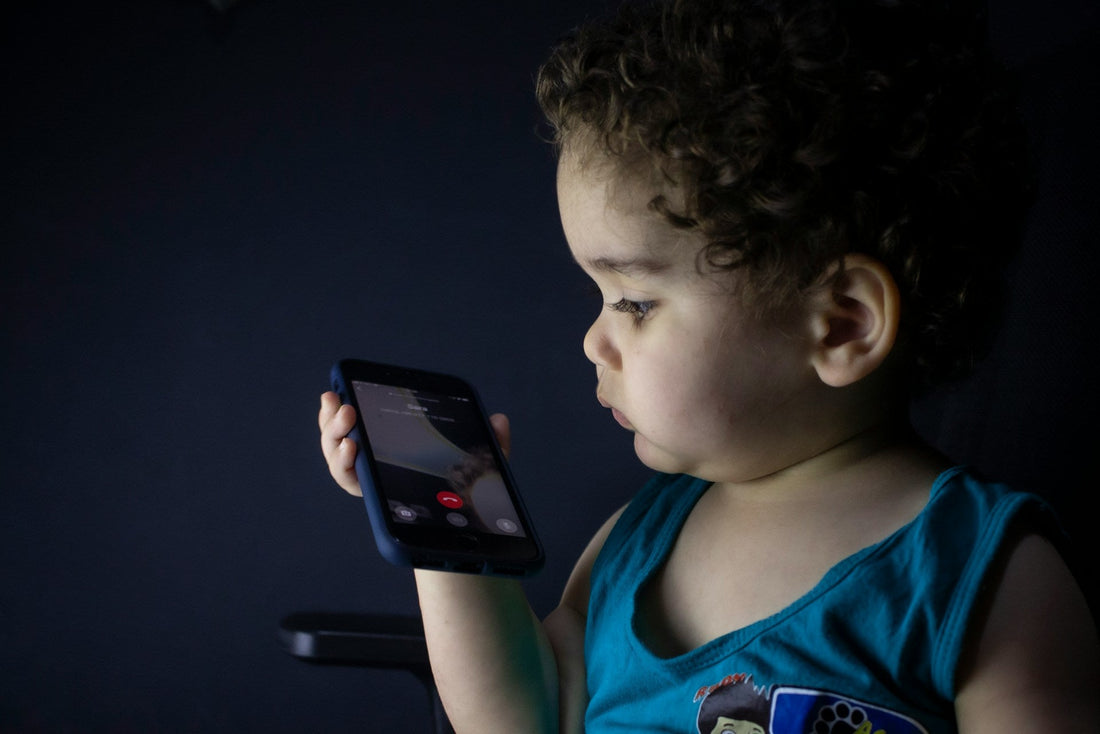
Make Pram Walks Calmer Without Compromising Development
Pram walks can feel like the only break in a busy day, until a tired toddler starts arching their back, throwing shoes, and asking for a show before you even leave the driveway. It is easy to slip into “screen on, problem solved” for every single walk. We get it. Many parents feel stuck between wanting calm outings and worrying about what all that pram screen time might mean for their child’s development.
There is a middle ground. Instead of thinking screens are either always bad or always allowed, we can think about “smart, age-appropriate pram screen time.” That means knowing when screens can actually help, how much is reasonable by age, and when it is better to keep devices off and let the world outside do the teaching. In this guide, we will walk through age-based limits, red flags to watch for, and simple ideas to keep most walks screen-light without constant battles.
How Babies and Toddlers Learn on the Move
Before we talk about screens, it helps to remember what is already happening when a child is in a pram. Even a short walk to the local shops is full of learning moments. Babies and toddlers are taking in movement, faces, sounds, and changing light. Their brains are busy, even when they look quiet.
Out on the footpath they can:
- Watch trees sway and clouds drift
- Hear birds, traffic, footsteps, and voices
- Feel wind, warmth, or a cool change on their skin
- Notice colours, shapes, dogs, prams, and people
All of this helps with balance, vision, attention, and emotional regulation. When we chat to them about what we see, we also support speech and social skills. Eye contact, smiles, and little back-and-forth “conversations” are like fuel for early language.
Screen time in the pram can fit in, but it should not replace this rich real-world input, especially on outdoor walks. The goal is balance. A calm video on a long tram ride might be helpful. Scrolling through shows for every five-minute walk to daycare cuts into that natural learning space they get from simply looking around and being with us.
Evidence-Based Pram Screen Time Limits by Age
Health bodies, including the World Health Organization and Australian guidelines, generally encourage very little or no screen time for babies and only small, planned amounts for toddlers and preschoolers. These guidelines are about total daily screen use, not just pram time, but we can still use them as a guide when we think about devices on walks.
Here is a simple way to translate those ideas into pram habits:
- Under 2 years: Aim for no regular pram screen time. Keep screens for rare situations like travel days, and focus on faces, songs, and the world outside.
- 2 to 5 years: Short, planned screen use, not every walk. Think “sometimes on long or tricky outings” instead of “always in the pram.”
-
Early primary school: More flexibility, but still avoid turning every walk into solo screen time. Use pram or stroller time to chat, plan the day, or spot things outside.
In many parts of Australia, including where we are based, early autumn brings long, comfortable afternoons. This is a great chance to prioritise screen-free outdoor time. You might decide that daytime neighbourhood walks stay device-free, but you keep pram screen time up your sleeve for late-evening events or long trips where everyone is tired and needs a break.
When Pram Screen Time Helps Everyone Stay Calm
Sometimes screens really do help the whole family get through a tough situation. A short video might keep a toddler settled in a waiting room where they need to stay in the pram, or during a long public transport ride when you are juggling bags and timing. Using pram screen time as a thoughtful tool, not a default, can reduce stress without taking over everyday walks.
Helpful times can include:
- Long medical or government appointments
- Public transport rides where you cannot move around much
- Travel days, like airport waits or long train trips
- Late events when your child is already tired
In those moments, how the device is set up matters. An ergonomic stroller phone holder lets the child look ahead at a safe distance, instead of hunching over a phone in their lap. This can support better posture and helps them keep some awareness of what is going on around them.
Content matters too. Developmentally friendlier options are:
- Slow-paced stories and picture-book style shows
- Songs and language-rich content, not fast-cut clips
- Short video chats with family, with us close by to help
Autoplay junk, loud noises, and constant swiping can leave kids wired and cranky when the screen switches off. Calm, simple content is easier to move away from when you reach your stop.
Red Flags Your Child May Be Getting Too Much Pram Screen Time
Every family has off days, but certain patterns can be signs that pram screen time is starting to take over. These are worth noticing, especially for babies, toddlers, and preschoolers.
Watch for:
- Meltdowns every time the device is removed from the pram
- Ignoring people, sounds, and sights around them on most walks
- Reduced interest in talking, singing, or simple games in the stroller
- Delays in speech, or fewer attempts to copy sounds and words
Pram-specific clues can include:
- Your child refusing to get into the pram unless there is a screen
- Needing a video even for very short walks, like to the corner shop
- Caregivers automatically handing over the phone at the start of each outing
If you are worried about your child’s ability to calm down without a screen, their attention, or their language, it is a good idea to talk with a GP, child health nurse, or speech pathologist. They can look at the bigger picture and offer support that fits your child, not just general tips.
Simple Ways to Cut Back Screens on Everyday Walks
If pram screens have become automatic, change can feel scary. The key is to shift habits gently, with clear rules and fun alternatives, rather than sudden bans that lead to big battles.
You might try simple scripts like:
- “Screens are for long trips, not short walks.”
- “On this walk we will listen to music, no videos.”
- “We can watch a show after we get home, not in the pram.”
Then fill the gap with easy, screen-free ideas:
- “I spy” with colours, cars, animals, or letters
- Nature spotting, like finding three different leaves or listening for birds
- Singing favourite songs or making up silly rhymes
- Telling a simple story about what you are doing that day
- Letting older toddlers help “choose the way” by picking corners or landmarks
As routines shift around autumn, with school runs and weekend outings, you could decide that:
- Local walks to the park or shops are mostly screen-free
- Longer drives or public transport can include short, planned screen time
- One or two special outings each week allow pram videos, with clear limits
The aim is for screens to feel like a tool used sometimes, not a right they expect every time the pram comes out.
Using Stroller Mate to Make Screen Use Safer and More Intentional
When you do choose to use screens in the pram, how you set them up can make a real difference. Toddlers hunched over a phone in their lap can strain their neck and tune everything else out. An ergonomic stroller phone holder lets the device sit at eye level, hands-free, so your child can sit more upright and still look up to you and the world.
With Stroller Mate, our focus is on helping families:
- Keep a comfortable viewing distance from the screen
- Set a steady angle so kids are not twisting or leaning
- Build in natural “off” points, like when you reach a certain street or the clinic
Practical tips include keeping brightness on the lower side, volume at a gentle level so they can still hear you and nearby sounds, and pre-choosing content before you leave home. That way you are not scrolling at the kerb while your child shouts for different shows. The goal is calm, short, planned pram screen time that fits around real-world connection, not over the top of it.
Support Calmer Outings Without Relying On Screens
If you are looking to reduce pram screen time while still keeping your little one settled on the go, we have designed Stroller Mate to make outings easier for both you and your baby. Our practical, play-focused solution helps you create a more engaging, low-distraction environment so you can feel confident about your choices.


